The writing begins
At Oxford, Wesley began the disciplined diary practice that would accompany almost all his adult life.
Research · Ministry · Neighbourhood
I am JeongWhan Lee, a Methodist pastor and researcher exploring John Wesley’s personal cipher diaries—and turning their self-examination and disciplined attention into ways of listening, caring, and connecting people today.
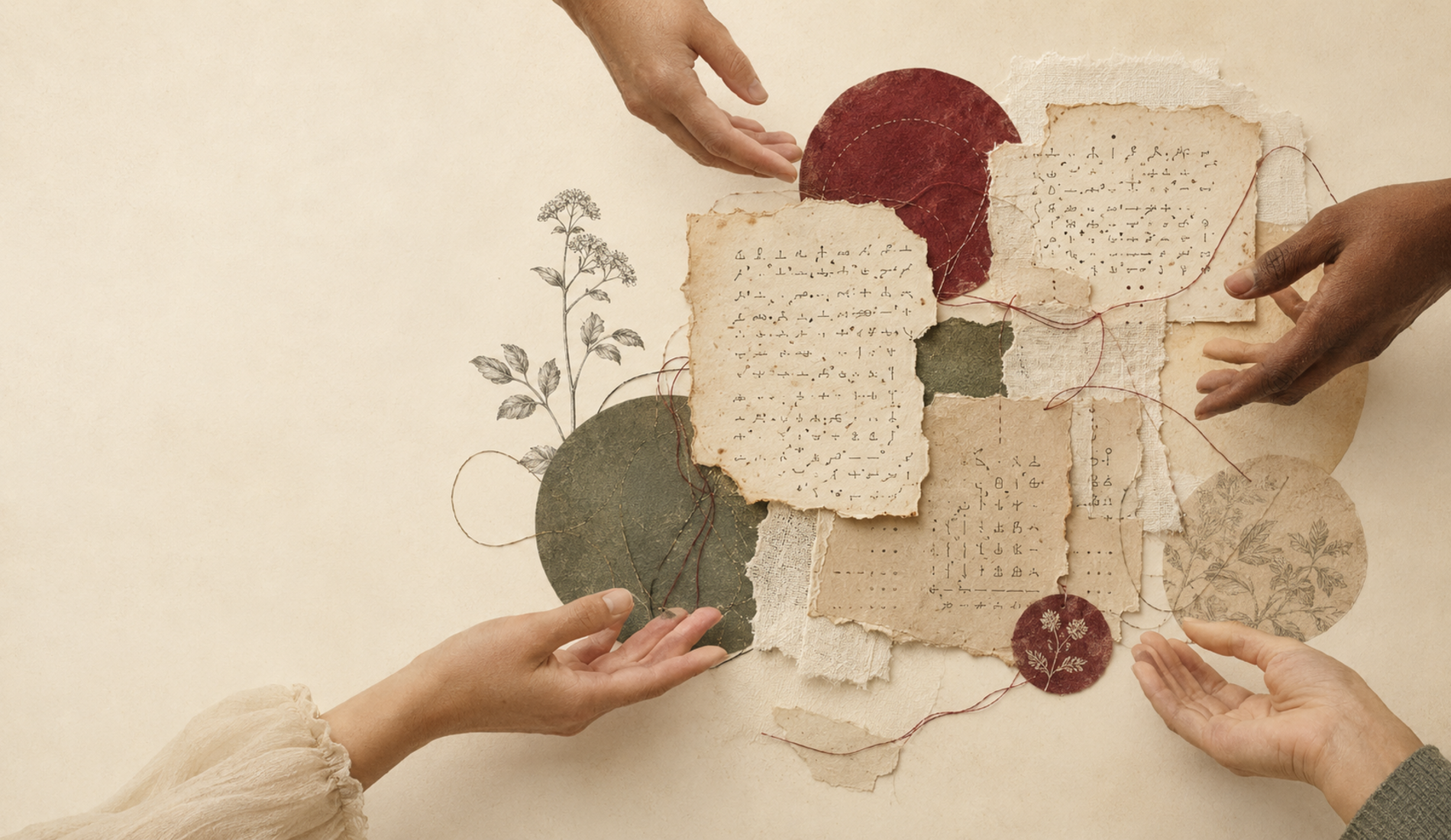
My research journey
I began with a historical puzzle: Why did Wesley record his days so carefully? The deeper question became personal and pastoral: How can a repeated practice shape a life of holy love?
At Oxford, Wesley began the disciplined diary practice that would accompany almost all his adult life.
At the John Rylands Library in Manchester, manuscript pages made Wesley’s private method visible to me in a new way.
My study of George Whitefield’s 1735–1736 diary revealed Wesley’s personal shorthand and fifteen questions for daily self-examination.Read the article: “Lost for 290 Years: Whitefield’s Personal Cipher Diary and the 15 Questions”
I ask how close attention, honest reflection, and small faithful actions can help people connect with God and one another.
What the dates reveal
The diary was not a short experiment. It became a companion to prayer, work, travel, relationships, and service across most of Wesley’s adult life.
01 Personal shorthand
02 Hourly attention
03 Daily questions
04 Holy living
A living pastoral method
Wesley’s diary reminds me that spiritual life grows through small, repeated acts of attention. My pastoral method carries that rhythm into ordinary relationships.
Practise paying attention—again and again—to the person, the place, and what is happening now.
Reflect on what I notice, guided by Scripture, prayer, and honest questions. Let the love, hope, and wisdom God gives me shape how I live my faith.
Find one small action that helps people meet, listen, serve, and grow together.
Here in Northcote
At St Luke’s and across Northcote, I try to begin with what is already near: a need, a gift, a conversation, or a space we can share.
Practical help begins with welcome, conversation, and dignity.
Growing food becomes a way to share work, knowledge, and hope.
Local events open church space for friendship across cultures and generations.
Share the journey
RESEARCH · PRAYER · PRACTICE
with Wesley’s Diary Method

Research · Prayer · Practice
How can I use this hour to love God and my neighbour more faithfully?Return to the beginning ↑